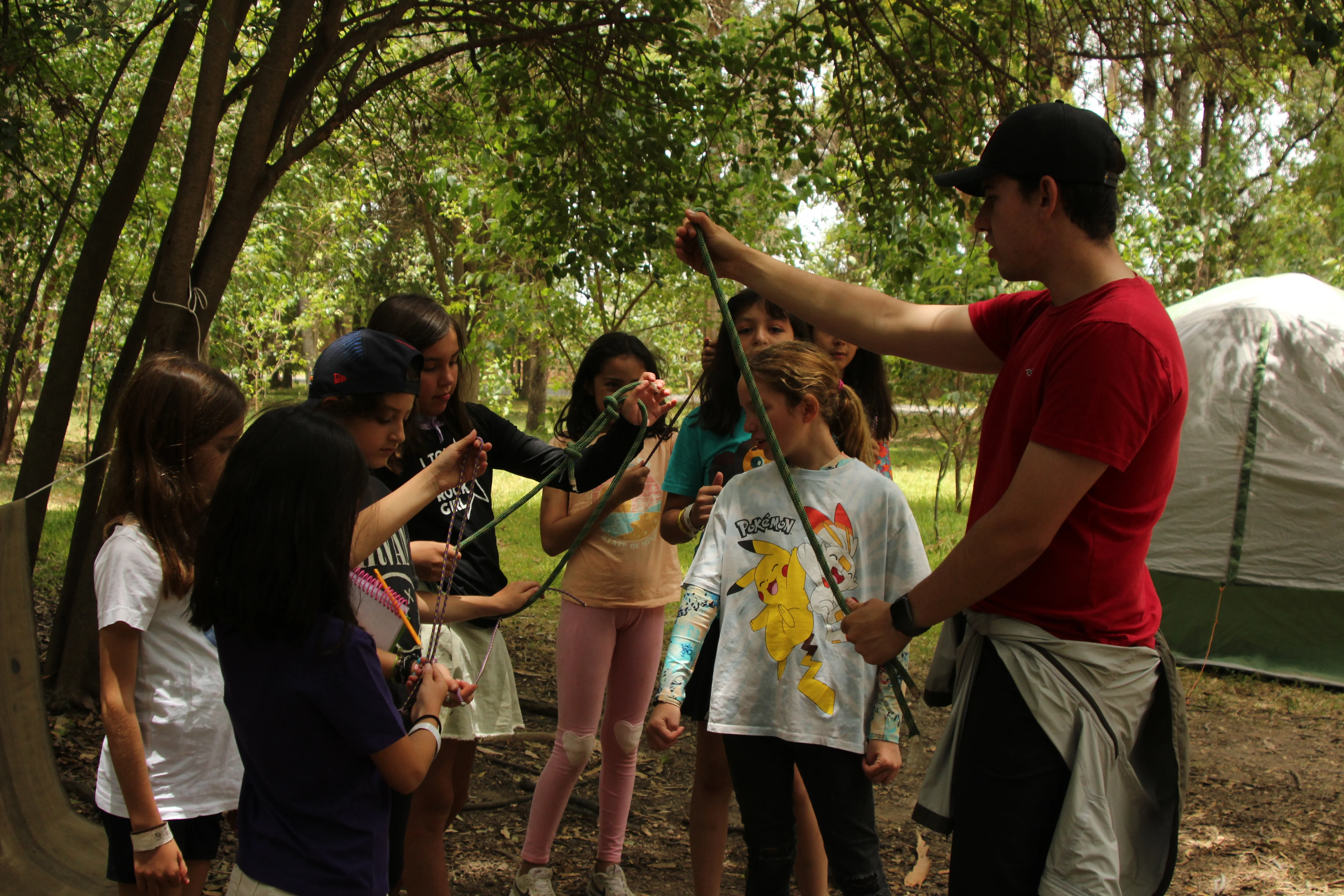
In most summer camp photos you see laughing faces, kids jumping, hugging, hands in the air. On social media you see children running, soaked after a water game, with paint or dust on their cheeks.
Camp Santa Úrsula’s photos show joy… but they don’t tell the whole story. There are experiences that don’t fit inside a frame. Quiet, intimate moments that nobody manages to photograph but that stay forever in each camper’s heart.
Behind every “my kid is so happy at camp” picture, there is usually something deeper:
- a camper who spoke in front of others for the first time
- a child who learned to wait their turn without melting down
- a kid who discovered they can trust an adult outside home
- a girl who made a mistake in a game… and decided to try again
That’s what you almost never see in the photos.
What you see in the picture… and what happens behind it
Picture a classic camp image: a group of kids with their hands in the air, shouting with excitement.
What you see:
- a game that just ended
- a team celebrating
- a very fun day
What you don’t see:
- the child who didn’t understand the rules at first and asked for them again
- the girl who wanted to give up halfway through and was encouraged by her teammates
- the group that learned to organize, respect turns and listen to the idea of someone who usually stays quiet
In a well-designed summer camp for kids, every activity has a purpose. It’s not about “filling time”, but about using play to build something more: patience, cooperation, respect, and the ability to feel frustrated without falling apart.
So when you look at a photo of your child laughing, it’s worth asking:
What had to happen before that smile? What did they learn, who did they talk to, which fear did they cross?
Moments that don’t fit into a frame
There are scenes you hardly ever see on social media, yet they happen every single day at a camp like Camp Santa Úrsula:
- A child who overcomes the fear of sleeping away from home after talking with their counselor and new friends.
- A girl who comforts another camper who misses their family and discovers that she, too, knows how to care for others.
- A team that loses an important game and still decides to congratulate the other team.
- A counselor sitting quietly next to a camper who doesn’t feel like talking… until they’re ready.
These are small, almost invisible experiences, but they build powerful social-emotional skills:
- being able to name what they feel
- asking for help when they need it
- putting themselves in someone else’s shoes
- understanding that a person’s value doesn’t depend on winning or losing a game
If you’d like to see some of the activities that set the stage for these moments, you can explore the activities section and the page about summer camp programs.
Skills that grow far from the camera
At Camp Santa Úrsula, many of the deepest changes happen when nobody is recording:
1. Self-confidence
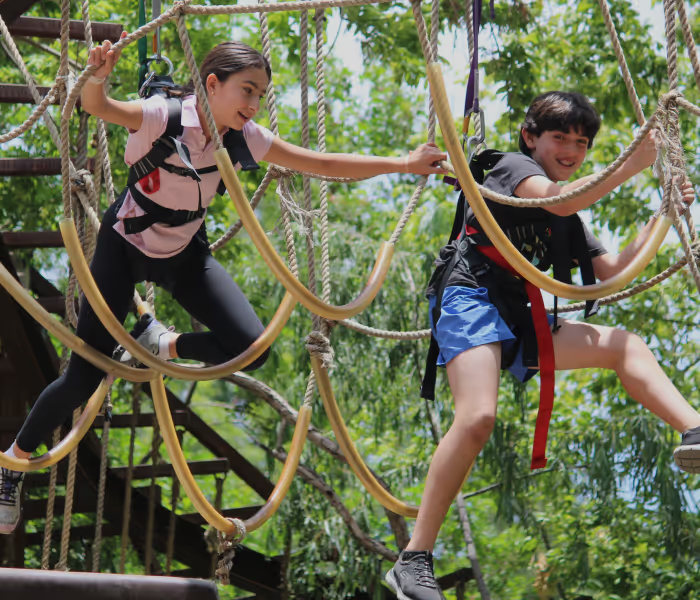
The camper who didn’t dare to try the zip line and, after several attempts, finally crosses it. There doesn’t need to be a perfect action shot; what matters is the feeling they take home: “I really thought I couldn’t… and I did.”
2. Trust in other adults
Sleeping away from home, going up to a counselor to say “I don’t feel well”, asking something that feels embarrassing. That’s where the idea grows that there are adults, besides mom and dad, who can be trusted.
3. Tolerance for frustration
Losing a relay race, messing up a dance, having a plan that doesn’t work… and still staying in the game. They learn that mistakes don’t define them; they simply open another chance to try differently.
4. Friendships that aren’t built on “likes”
Spending days and nights with other kids, without filters or screens, means friendships are built on real experiences: an inside joke, a night around the campfire, a late-night conversation before sleeping.
Many parents say that, once camp is over, their child comes home talking about new friends, stories and jokes only they understand. Those relationships are a central part of what kids really experience at summer camp.
How the staff prepares so this can happen
None of this “just happens”. For these invisible experiences to unfold safely, the camp team has to be ready.
At Camp Santa Úrsula, staff go through yearly training, simulations and experiential work so they can:
- read emotional signals in children of different ages
- support campers who are homesick or insecure
- create an atmosphere of respect, inclusion and mutual care
- set clear limits without shaming or ridiculing anyone
Beyond physical safety protocols, there is a whole structure dedicated to emotional safety: how announcements are made, how conflicts are handled, how shy or “out of place” kids are integrated. You can learn more about this dimension in the safety section.
Looking beyond the photo as a parent
If your child is at camp, it’s natural to want lots of pictures. They reassure you, excite you and help you imagine what your kid is doing. But it’s also worth looking beyond the image:
- If you see them serious in a photo, they might just be focused, tired or thinking about something else.
- If they don’t appear in any photo one day, they may have been in another activity, doing a challenge or enjoying a quiet moment.
- If you see them soaked and covered in dirt, that was probably one of the best days of camp.
Instead of asking “Why didn’t they show up in today’s photo?”, it can be more useful to think:
“What might they have learned today that I can’t see?”
That doesn’t mean you should stop asking for pictures. It simply means remembering they’re a window, not the whole house.
Giving kids experiences you can’t upload
In a fast-paced world, full of screens and instant stimuli, giving a child a few days in nature – with structure, play and close guidance – is a decision that goes far beyond entertainment.
At Camp Santa Úrsula we’re not only looking for smiling kids in photos:
- we help them know themselves better
- we nurture friendships that may last for years
- we plant values that will walk with them at school, at home and later in adult life
The photos are a souvenir. The full experience, the part you can’t see on a screen, is the real gift.
If you want your child to join a summer camp for kids where both the visible and invisible moments are cared for, you can check dates and programs on the summer camp programs page or reach out to the team via contact.


.webp)


.webp)