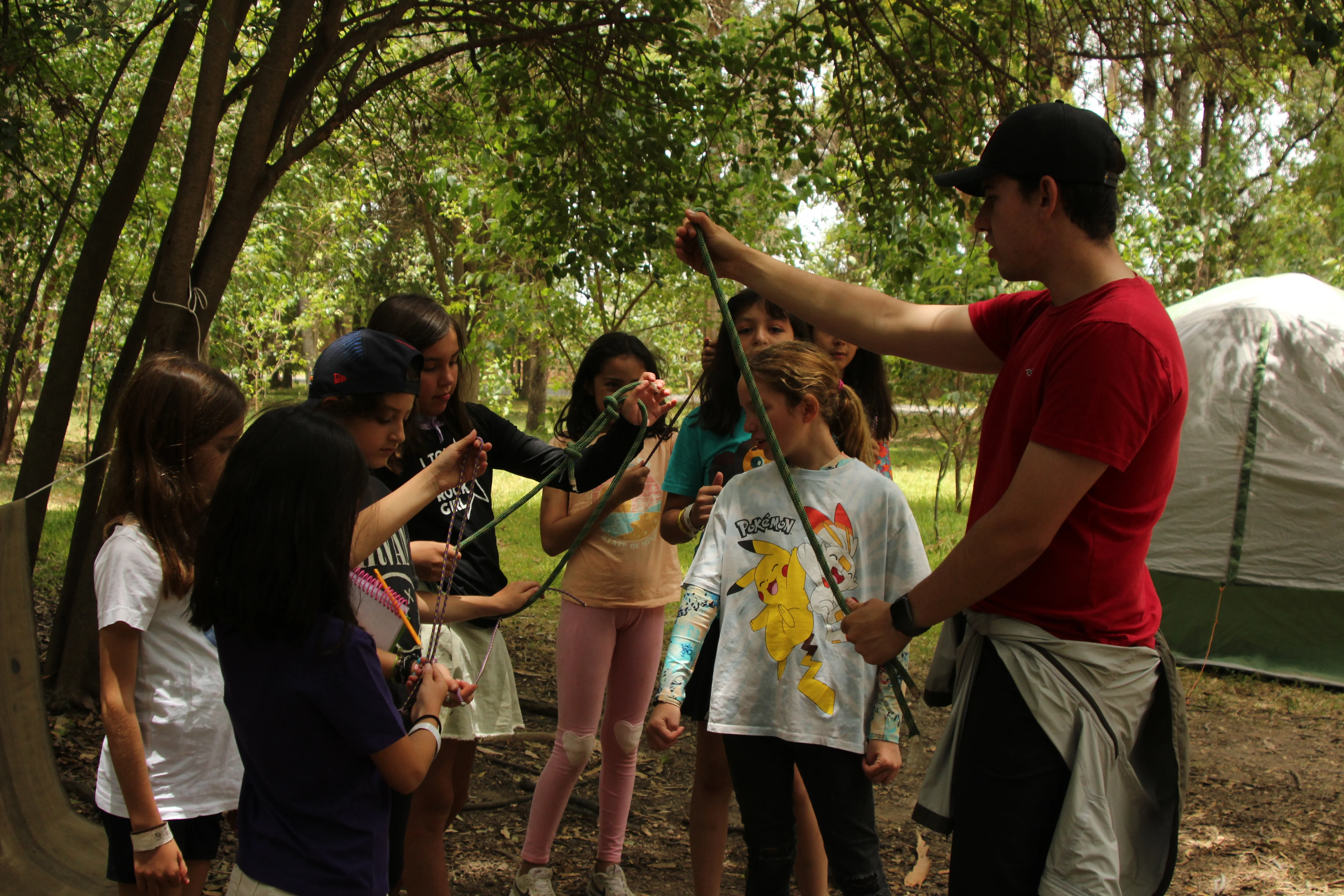
Planning an end-of-school-year camp for a school group involves more than booking dates and choosing exciting activities. The experience needs a clear purpose, practical information for families, and a shared understanding of responsibilities before a school commits.
This guide is for principals, teachers, and coordinators comparing school camps and end-of-year camp programs in Mexico. It provides a framework for requesting information and evaluating proposals without assuming that a specific service is included.
Start by defining what the trip should achieve
An end-of-year trip can emphasize time together, teamwork, age-appropriate challenges, or the transition to a new school stage. Decide on one primary goal and two supporting goals so that the program can be assessed against your students' needs, rather than against a list of attractions alone.
- Community: spend meaningful time with classmates outside ordinary school routines.
- Independence: practice age-appropriate everyday responsibilities within a supervised setting.
- Collaboration: work through challenges and make decisions together.
- Transition: mark the end of a school year or educational stage through a shared experience.
For more on program formats, read our comparison of educational and recreational camps.
What to check when comparing an overnight school camp
The current Camp Santa Úrsula School Camps and End-of-Year Camps page describes a five-day, four-night program. This is a description of the published offer, not a guarantee of dates, available places, permitted ages, or conditions for your school. Ask the team to confirm the details before announcing the trip.
When requesting a proposal, ask for written information about:
- The group: accepted ages and grades, approximate student numbers, and school chaperone requirements.
- Dates: available sessions, arrival and departure times, and reservation deadlines.
- Activities: included activities, optional experiences, and possible changes based on age, weather, or operational conditions.
- Meals and accommodation: room arrangements, food service, and the process for communicating specific needs.
- Supervision: the respective roles of camp staff, teachers, and group coordinators during the day and overnight.
- Commercial terms: what is included in the quoted price, what is excluded, payment deadlines, and change or cancellation rules.
The activity schedule is only one part of the logistics
Alongside the school camp activities, the school should define who will collect family permissions, maintain student lists, coordinate relevant medical information, and handle communication between families and the provider.
Transportation deserves a separate question. Do not assume it is included: confirm pickup arrangements, any required chaperones, and who is responsible for each stage of travel.
A short group brief can make quotations more useful. Include the school's location, student age range, estimated group size, two or three possible dates, the educational or social goal, and any known requirements.
Safety and student wellbeing: ask specific questions
For an overnight program, a general assurance of security is not enough. Schools should ask how activities are supervised, how medical needs and medication are handled, and what communication procedures apply if an issue needs to be raised with families.
Camp Santa Úrsula describes its facilities, supervision, and medical services on the Safety page. Review that information alongside the offer for your particular group, and ask the team to clarify any relevant requirements.
- Who supervises students during activities and overnight?
- How are allergies, medication, and specific needs communicated and addressed?
- Which activities require specialized equipment or instructions?
- Who will be the school's primary contact during the stay?
- What documents or permissions must each family provide?
How to explain the proposal to families
Before collecting payments, give families a clear overview of the trip's purpose, destination, duration, responsibilities, planned activities, included and excluded services, and communication channels. An informed decision requires more than photos and a list of appealing experiences.
Do not present dates, prices, places, or activities as final while they still depend on availability or a formal quotation. Distinguishing confirmed details from pending questions reduces confusion later.
Checklist before asking for a quote
- Confirm the school grade and student age range.
- Estimate the number of students and accompanying adults.
- Prepare two or three possible date windows.
- Agree on the primary purpose of the trip.
- Designate a school coordinator.
- Collect families' questions about safety, meals, and supervision.
- Request written terms for travel, accommodation, activities, and payment.
- Compare proposals consistently, not just by price per student.
Frequently asked questions
Is an end-of-year school camp the same as a day trip?
Not necessarily. A day trip may last only a few hours, while an overnight camp involves accommodation, shared routines, and group supervision over several days. The appropriate format depends on the group's ages and goals.
Is transportation included in a school camp?
That depends on the specific offer. Confirm transportation arrangements, pickup points, travel supervision, and any related responsibilities before booking.
How can we confirm that activities suit our group?
Request the current activity plan for your students' ages and ask about supervision, safety requirements, and possible operational or weather-related changes.
When should a school begin planning?
Contact providers about availability before committing dates to families. The appropriate lead time depends on the school calendar, group size, required permissions, and seasonal demand.
Explore the program for your school
Review the current School and End-of-Year Camp program. When you know your approximate student count, ages, and possible dates, you can contact the Camp Santa Úrsula team for information specific to your school.


.jpeg)

.webp)


.webp)