Summer camp staff does not come together just a few weeks before children arrive. At Camp Santa Úrsula, recruiting and preparing the team begins months in advance and includes screening, observation, evaluations, and training before each season.
When campers arrive, they meet young team members who support them during activities, games, and everyday routines. What families may not see is the preparation behind that support: getting to know applicants, observing how they interact with others, assessing responsibility, and preparing them for operational roles.
That is why talking about camp staff involves more than energy and enthusiasm. It also means selection, progressive development, following instructions, teamwork, and preparation for leading groups.
A process that begins well before summer
Recruitment runs approximately from August through April, followed by training before camp sessions begin. This gives the team time to get to know applicants before assigning responsibilities at camp.
How Camp Santa Úrsula selects its staff
Selection takes place in stages. Rather than making a decision after a single interview or application, the process moves gradually, allowing applicants to be observed in different situations.
Initial review
The team reviews requirements, previous connections with the camp, and basic profile information. Previous experience as a camper or recommendations from members of the camp community may also be considered.
Introduction video
Applicants prepare a video that helps the team learn about their communication style, creativity, enthusiasm, and personality before in-person assessments.
Group assessments
Four group assessment periods take place over the selection cycle. These sessions let the team observe applicants interacting with others and responding to different situations.
Additional evaluation
Psychometric assessments conducted with the camp psychologist complement observations from group sessions and provide more information about each applicant.
What we look for during group assessments
A group assessment is not simply about identifying who stands out in an activity. Energy, physical ability, or comfort speaking to a group do not, on their own, show how someone might perform as a staff member.
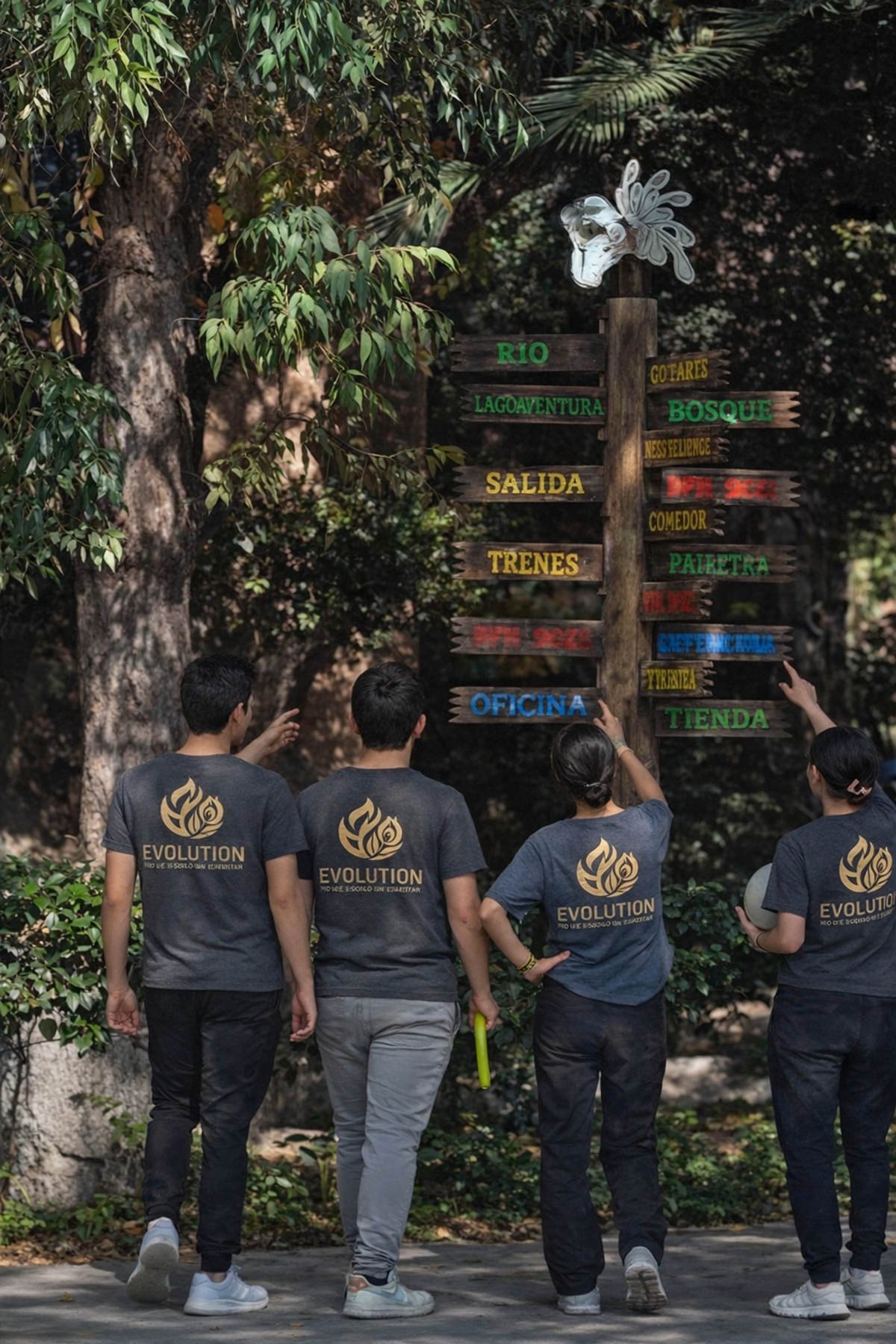
Observation continues throughout the day. The team looks at how applicants collaborate, listen to instructions, adapt, wait their turn, solve problems, and interact with others.
Responsibility and follow-through
We observe how each applicant responds to instructions, agreements, and responsibilities during the activities.
Teamwork
We look at how applicants work with others, listen, contribute ideas, and support the group when success depends on collaboration.
Adaptability and decision-making
Activities help reveal how applicants respond to changes, pressure, frustration, or situations that require a new plan.
Leadership and relationships
Leadership is not just taking charge. We also consider initiative, respect for rules, relationships with others, and the ability to contribute to the group.
Selection is not based on any one skill. The aim is to understand each applicant from different perspectives before they take on greater responsibilities at camp.
Being selected does not mean training is complete
Passing the selection stages is only one step. Before camp sessions begin, those who continue attend training designed to strengthen their understanding of operations, staff responsibilities, and how Camp Santa Úrsula works.
Camp philosophy
Training covers the principles, values, and guidelines that shape how the team supports campers.
Group leadership
Staff members learn approaches and guidelines for group dynamics, supervising activities, and maintaining a positive environment.
Operations and protocols
Preparation includes safety protocols, recreational approaches, staff responsibilities, and the operation of camp activities.
Experience also takes time to build
At Camp Santa Úrsula, taking on greater staff responsibilities is a gradual process. New team members begin in supporting roles and gain experience alongside more seasoned colleagues.
This path helps them understand how the camp operates, become familiar with the rhythm of each season, and develop the skills required to guide groups and activities.
That development can take approximately two to three years before someone takes on certain responsibilities. The important point is not the title of an initial role, but that becoming an instructor reflects practice, learning, and accumulated experience.
- Observe before taking responsibility: working alongside experienced team members helps newcomers understand how camp operates in real situations.
- Get to know the camp: familiarity with facilities, activities, and routines develops through practice, not just classroom training.
- Take on responsibilities gradually: team members progress as they gain experience and demonstrate readiness for new tasks.
- Keep learning: joining the staff does not remove the need for continued preparation before each season.
Why this process matters to families
For families, activities, facilities, and the program itself are central to choosing a camp. But there is another important question: Who will be supporting the children during their camp experience?
That is why it is worth explaining the staff process transparently. No selection process can eliminate uncertainty or replace the safety and operational protocols used during a session. It can, however, show that the team is not assembled at the last minute.
Each staff member goes through stages of observation, assessment, and training. Responsibilities are also introduced progressively as experience grows.
What matters is not only who joins the team, but how they prepare
Families' confidence should not depend on claims such as 'we have the best team.' It is more useful to explain what happens before each session, what is assessed, and how the people supporting campers are prepared.
The people behind every camp experience
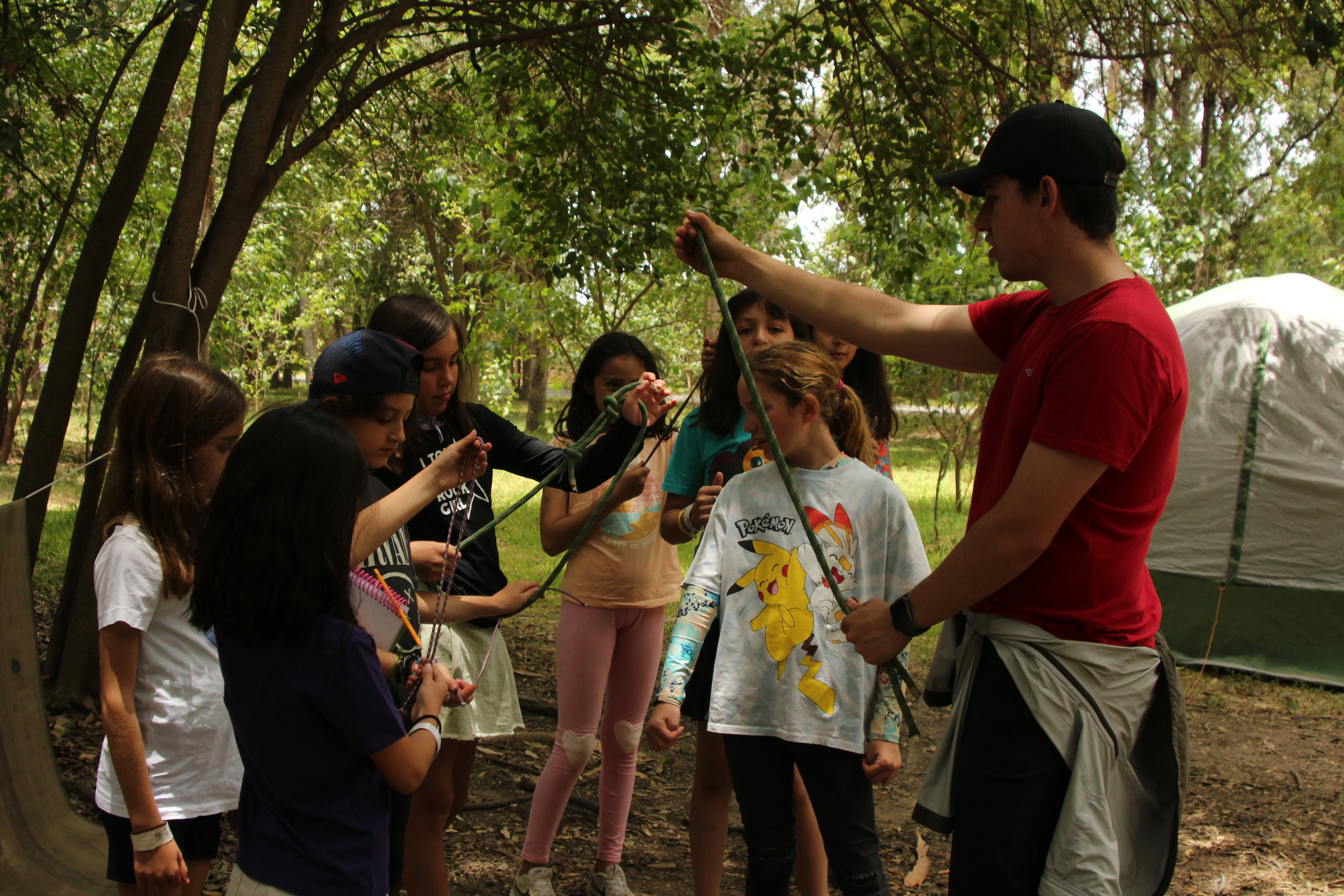
When we see a staff member leading an activity, explaining a game, supporting a group, or helping a child navigate a difficult moment, we are seeing only part of the work.
Behind that moment may be months of screening, group sessions, evaluations, training, and on-the-job learning. For some, that journey extends over years before they take on greater responsibilities.
Activities and facilities are part of the camp experience, but people make everything work: they explain, observe, support, coordinate, and respond throughout the day.
At Camp Santa Úrsula, staff preparation is not just another summer task. It begins long before the first camper arrives.
Frequently asked questions about Camp Santa Úrsula staff
When does staff recruitment begin?
Recruitment generally runs from August through April, followed by training before camp sessions begin.
What is assessed during group sessions?
Assessments cover teamwork, leadership, adaptability, decision-making, responsibility, following instructions, initiative, dealing with frustration, and respect for rules.
Do applicants take psychometric assessments?
Yes. Psychometric assessments with the camp psychologist complement observations made during group sessions and provide additional insight into each applicant.
What happens after someone is selected?
Training continues both online and in person, covering camp philosophy, group leadership, safety protocols, recreational approaches, staff responsibilities, and activity operations.
Learn more about the people who make each season possible
If you are considering Camp Santa Úrsula for your children, understanding staff preparation is just one part of the picture. You can also learn more about the team and how to apply.
Learn more about our staff