Mexican Independence Month · Children's autonomy
In September, the word independence has historical and civic significance in Mexico. It can also prompt a different family conversation: what does it mean for a child to become more independent gradually, with support appropriate to their age?
Mexico's independence and a child's independence are not the same. One is a defining part of national history; the other is an everyday process in which children practice taking responsibility, make small decisions, learn to communicate their needs, and discover what they can do on their own.
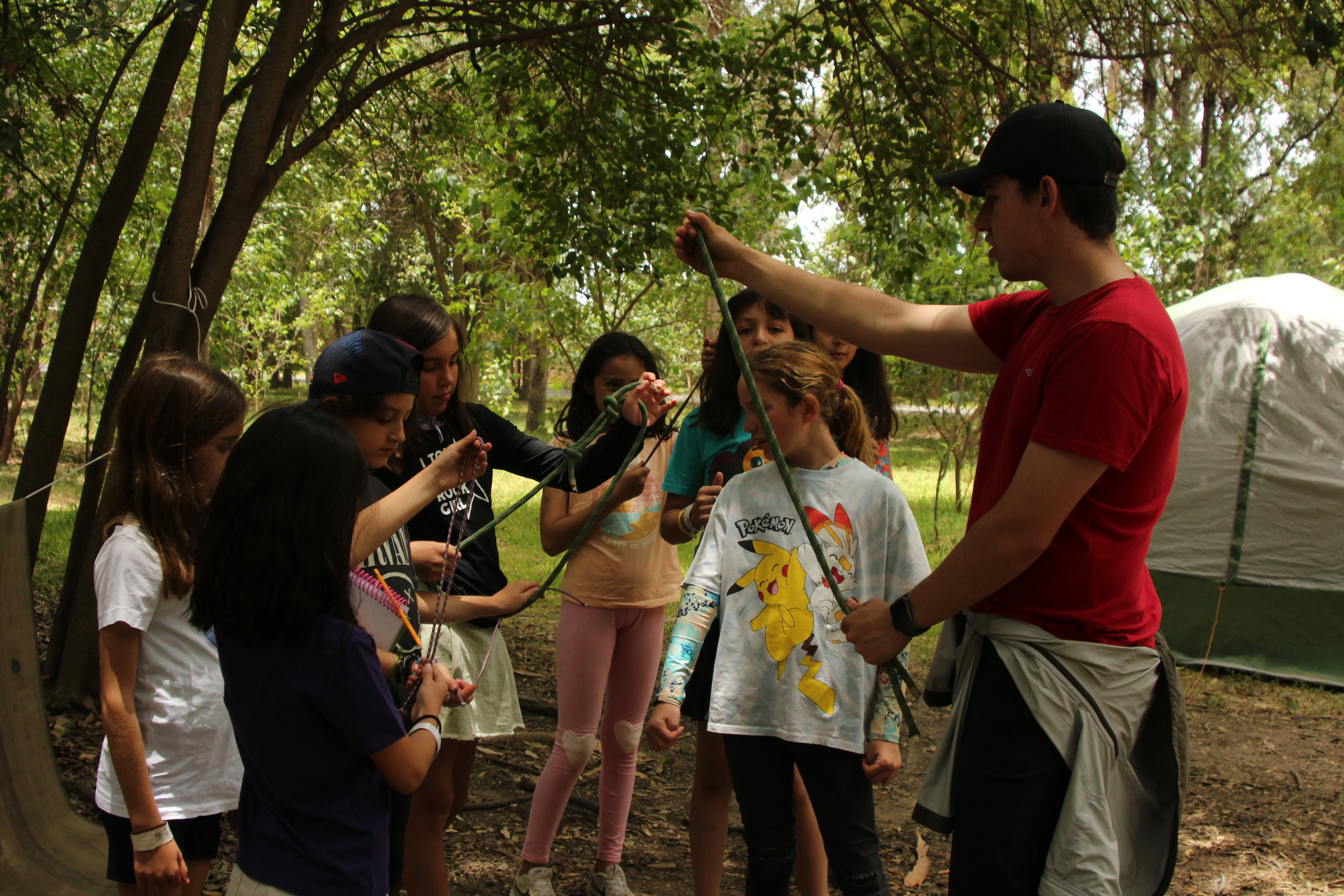
An overnight camp can offer many opportunities to practice. Spending a few days away from the usual family routine means living with others, following schedules, looking after belongings, and joining activities without a parent handling every detail. That does not mean leaving a camper alone: it means giving children room to act within an adult-supervised environment.
Greater autonomy does not mean 'not needing anyone.' It also means recognizing when support is needed, knowing how to ask for it, and learning to live alongside others.
What does practicing independence at camp look like?
Children's autonomy often shows up in much smaller actions than a major decision. During a camp stay, it begins when a child gets ready for the day and takes responsibility for part of their routine.
Camp Santa Úrsula asks campers to be able to perform personal tasks independently, including bathing, dressing, grooming, using the bathroom, and caring for their belongings. Staff supervise and support campers, but these basic tasks are things each participant should be able to do on their own.
Personal care
Managing basic routines, getting ready for the day, and taking responsibility for personal belongings.
Organization
Being ready for activities, following schedules, and remembering what is needed at each moment.
Living with others
Listening to instructions, sharing spaces, joining a team, and communicating needs.
These are small tasks, but they have something in common: adults do not do everything for the child. Campers actively take part in their own routines.
Asking for help is also part of independence
We sometimes imagine an independent child as someone who solves every problem alone. In reality, an important part of autonomy is recognizing a problem and approaching the right person for help.
At Camp Santa Úrsula summer camp, each group has an instructor and an assistant during the day, and the instructor stays with the group overnight. This gives campers adult points of contact as they practice expressing doubts, communicating concerns, and asking for support when necessary.
Autonomy is not the absence of supervision. It means being able to do more things independently while still having access to a responsible adult.
For many families, this changes the question. Instead of asking 'Can my child manage without me?', it may be more useful to ask: 'Can they handle their basic routines? Can they approach an instructor? Can they explain what they need? Are they willing to live with rules and schedules different from home?'
Challenges are not limited to adventure activities
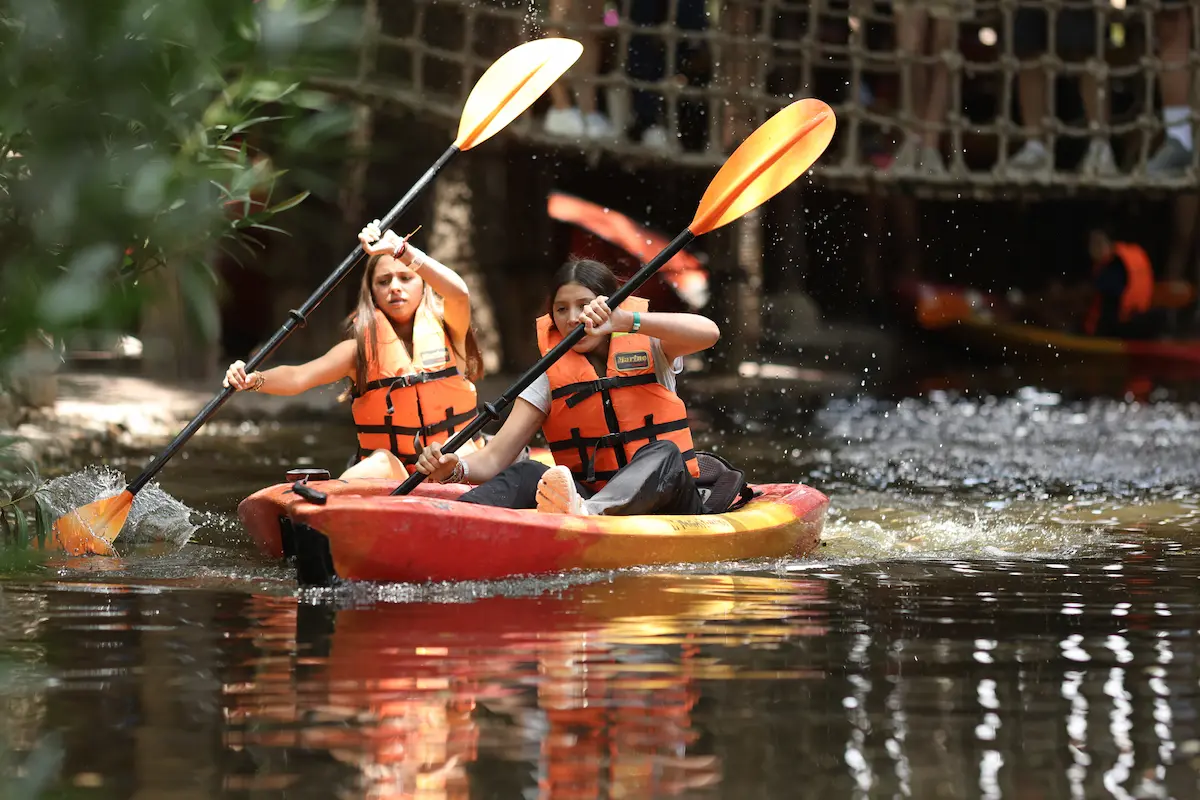
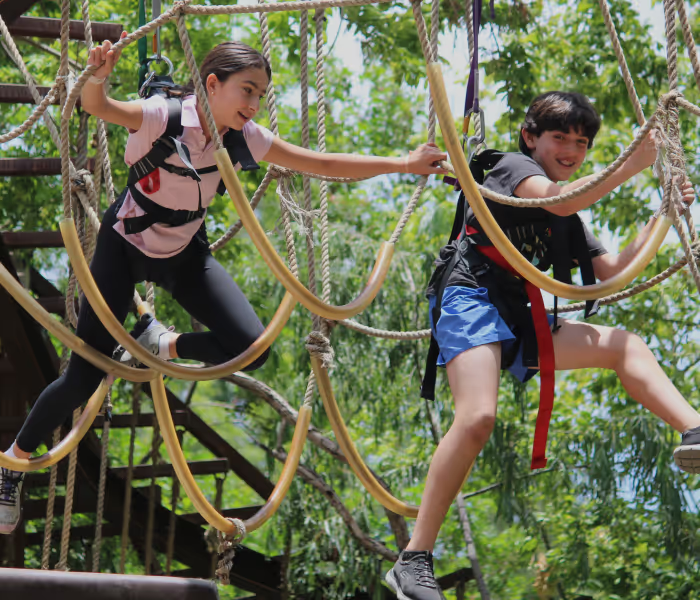
When we picture a camp, we may imagine zip lines, sports, water activities, and physical challenges. But much of camp life takes place between activities.
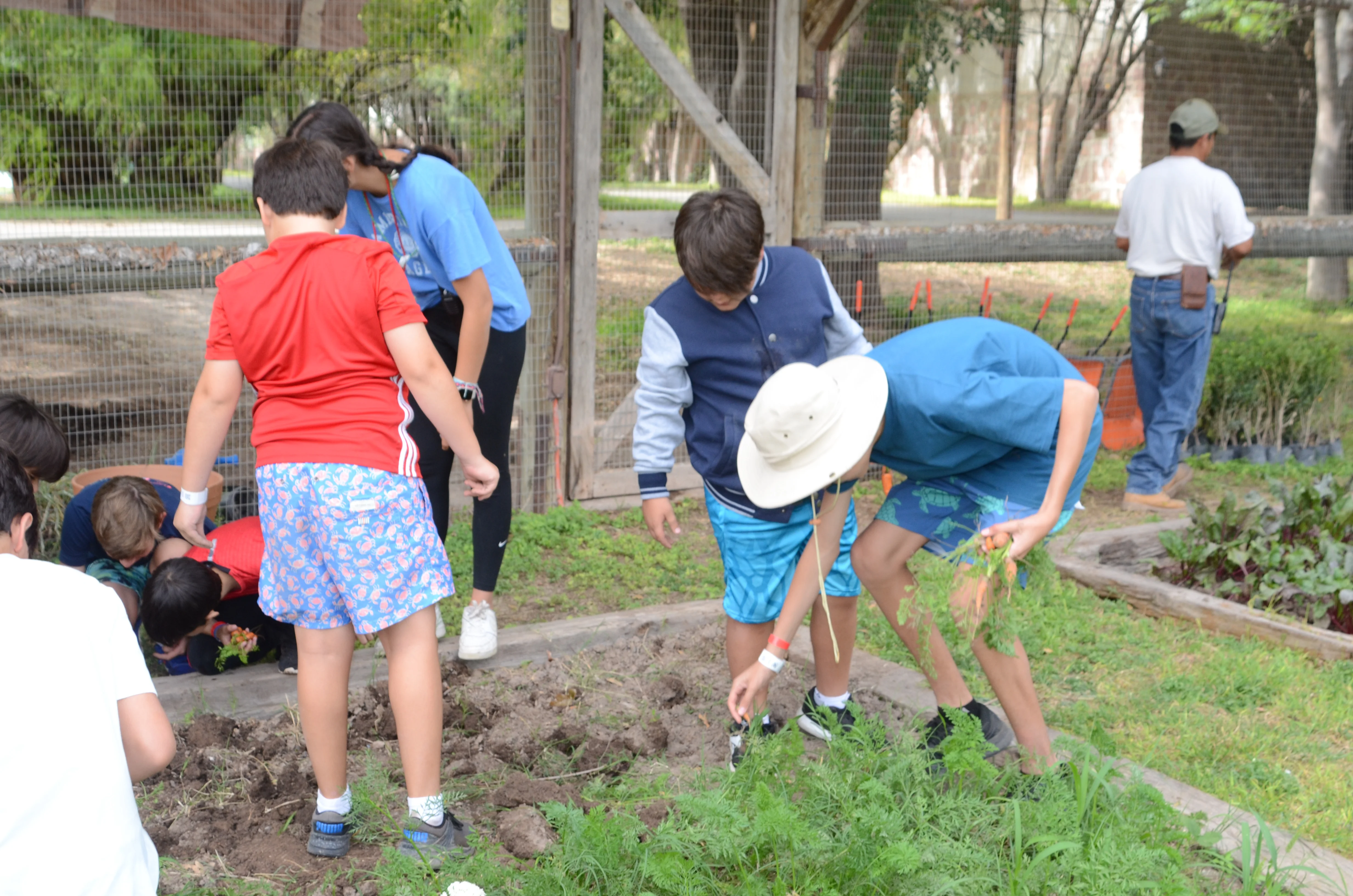
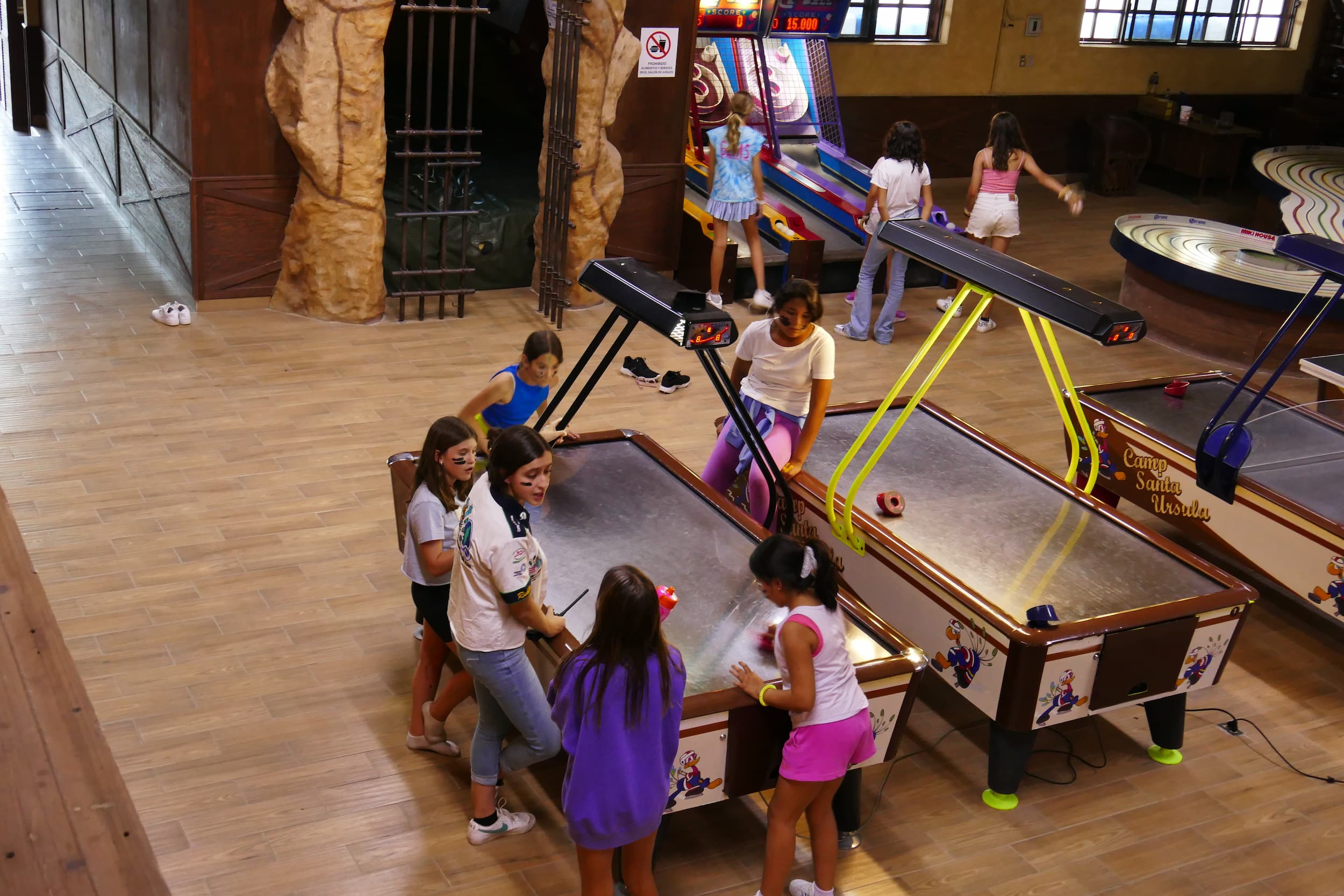
Waiting for a turn, following instructions, caring for equipment, collaborating with the group, arriving on time, and keeping belongings organized may be less spectacular, but they are essential parts of everyday camp life. At Santa Úrsula, team activities also emphasize sportsmanship, enthusiasm, friendship, order, punctuality, and cleanliness.
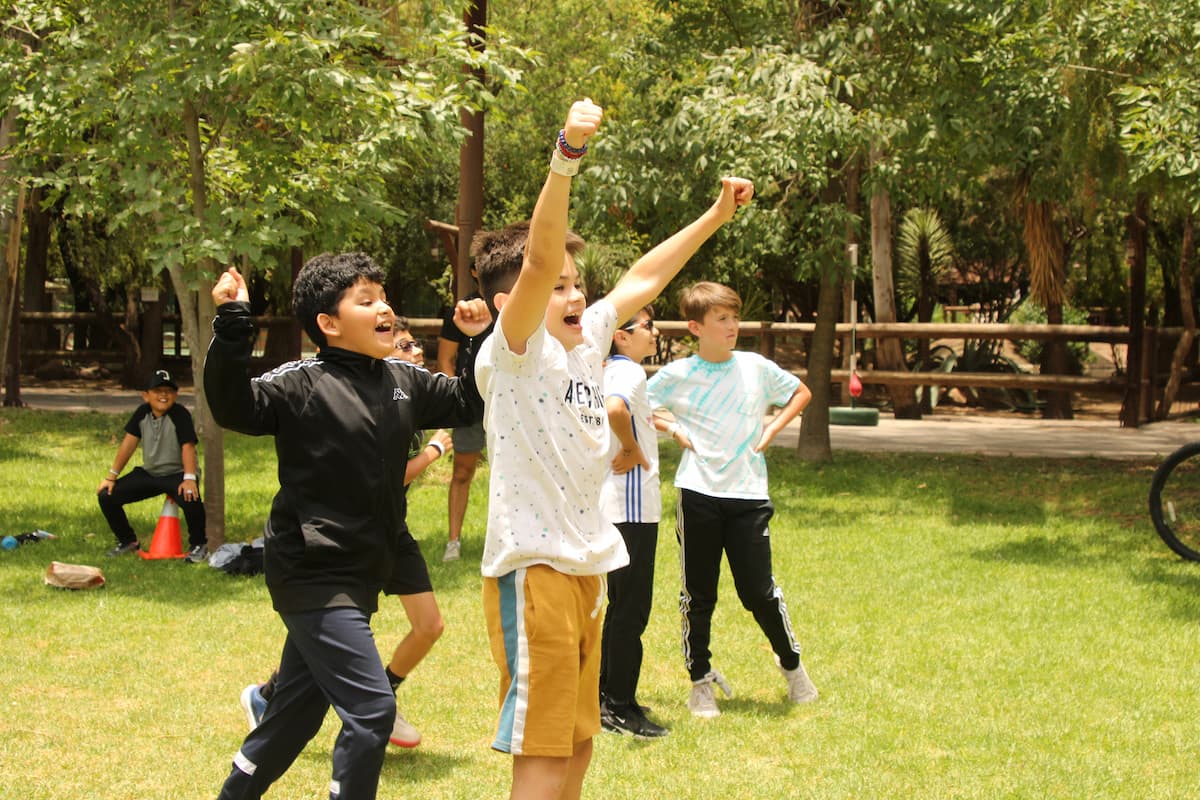
Other activities require coordination with others. In the activities program , there are sports, workshops, rallies, outdoor experiences, and adventure challenges. The schedule may vary according to the session, age group, availability, and operational conditions, but each activity invites campers to participate as part of a group and adapt to routines different from home.
Mexico, identity, and belonging at camp
Mexican Independence Month also gives us a chance to discuss identity. Celebrating Mexico's independence does not mean turning camp into a history lesson or comparing a national event with everyday tasks. It can instead be an opportunity to recognize shared traditions and the ways we build community.
At Camp Santa Úrsula, the Mexican fair is one of the moments when food, music, colors, and traditions become part of the experience. For campers from other countries, it can also be an accessible introduction to elements of Mexican culture.
Camp Santa Úrsula has welcomed campers from Mexico and other parts of the world. That diversity gives cultural celebrations a different value: the point is not to suggest that one way of life is better than another, but to share our roots with people who bring different stories and traditions.
Independence starts before packing a suitcase
Camp should not be the first time a child tries to manage all these tasks. Autonomy develops through gradual practice. Before an overnight stay, families can observe which routines their child handles comfortably and which ones still need practice.
- Get dressed and prepare for an activity without an adult completing every step.
- Bathe, groom, and use the bathroom independently.
- Put away and recognize their belongings.
- Follow a simple instruction and be ready at a designated time.
- Practice asking for help with phrases such as 'I don't understand,' 'I need support,' or 'I want to speak to my instructor.'
Not every child develops at the same pace. Meeting a program's minimum age requirement does not automatically mean a child is ready for it. Families should review camp expectations and contact the team to discuss any specific needs.
Growth also happens in small steps
At this time of year, we celebrate a pivotal event in Mexico's history. Without confusing the two meanings, the word 'independence' can also remind us of something valuable in family life: growing up means taking on responsibility gradually.
At camp, this becomes visible when a child looks after belongings, gets ready for an activity, interacts with teammates, tries to solve a problem, and asks an adult for help when necessary.
Perhaps the most important milestone is not being able to say 'I did it completely alone,' but something more realistic: 'I tried, understood what I could do, and knew when to ask for support.'.
Frequently asked questions about children's independence and camp
What does children's autonomy mean at summer camp?
It means children actively participate in their routines and responsibilities: looking after belongings, following schedules, handling age-appropriate personal tasks, and communicating when they need help.
What should a child be able to do independently at Camp Santa Úrsula?
Camp Santa Úrsula asks participants to be able to bathe, dress, groom, use the bathroom, and care for personal belongings independently.
Does being independent mean a child should never ask for help?
No. Asking for help is part of autonomy. The goal is not to handle everything alone, but to recognize a need and approach a responsible adult.
What age group can attend the traditional summer camp?
Camp Santa Úrsula's traditional summer camp currently welcomes children ages 7 to 15. Families should check each program's latest information before registering.
What does Mexican Independence Month have to do with children's autonomy?
Mexico's independence is a historical and civic event. Here, it serves only as a starting point for a separate family conversation about autonomy, responsibility, and identity, without suggesting the two ideas are equivalent.
What should a child be able to do before attending an overnight camp?
Find out how the summer program works, what support is available, and which activities are included.
Sources consulted
- Camp Santa Úrsula, current Summer Camps page: age ranges, group supervision, and expected level of independence.
- Camp Santa Úrsula, activities catalog: examples of sports, workshops, rallies, nature experiences, and adventure activities.
- American Academy of Pediatrics / HealthyChildren.org, general guidance on gradual independence, routines, and preparing for camp.