Activities and camp life
February 11, 2025

Best Summer Camp Activities for Child Development

Explore summer camp activities—from sports and arts to nature and team challenges—and how they can support children's physical, social, and emotional development.

Best Summer Camp Activities for Child Development

Best Summer Camp Activities and Their Impact on Child Development

Every year, summer camps in Mexico offer children and teenagers opportunities to learn, socialize, and grow while having fun. Not every camp is the same; the activities available make a difference to the overall experience.

At Camp Santa Úrsula, we design activities to support children's personal, physical, and emotional development. From adventure sports to art workshops, discover activities that can benefit young campers.

👉 Explore our camp here: Camp Santa Úrsula

Essential summer camp activities and their benefits

For a summer camp in Mexico to offer a meaningful experience, it should include activities that support different aspects of child development.

Below are some of the most valuable activities and ways they can contribute to children's and teens' growth.

1. Sports and adventure activities

Water sports

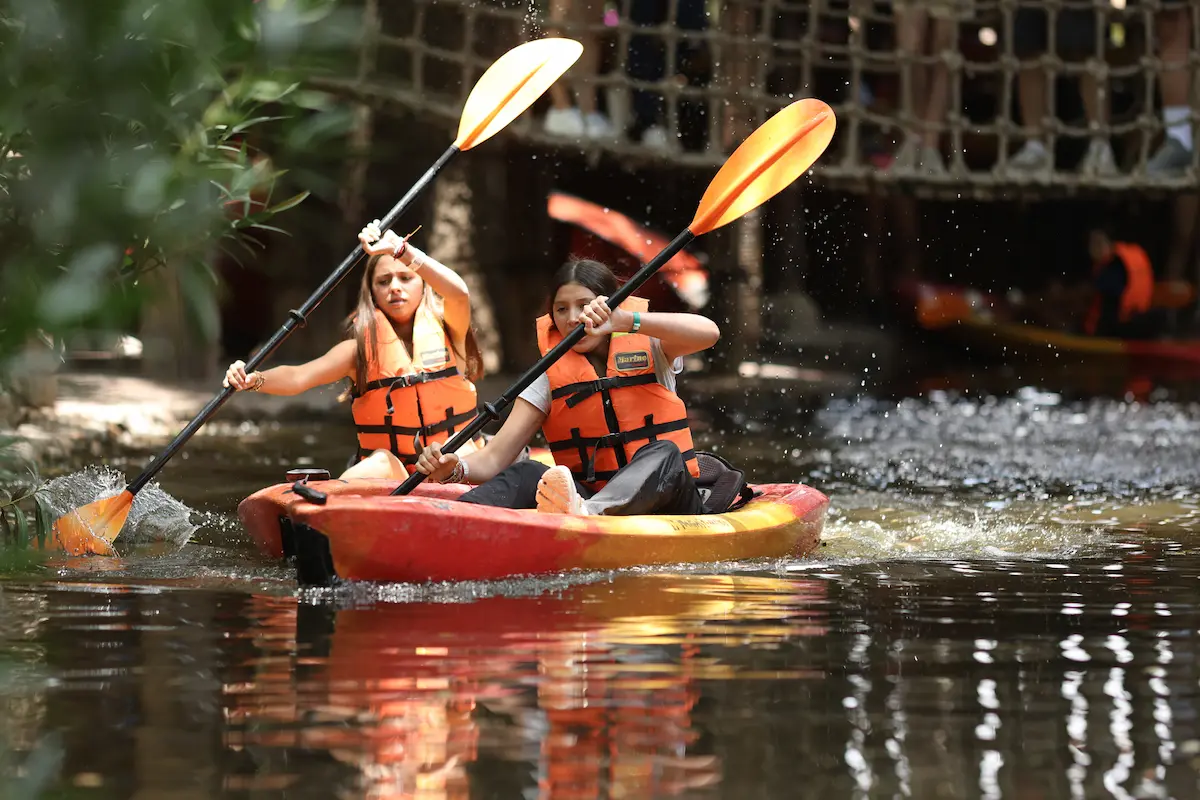
Water activities are both fun and a way to build physical and motor skills. Examples include:

  • Swimming in lakes or pools
  • Kayaking and rowing
  • Water games and competitions

Benefit: Supports coordination, endurance, and confidence in the water.

Climbing and rappelling

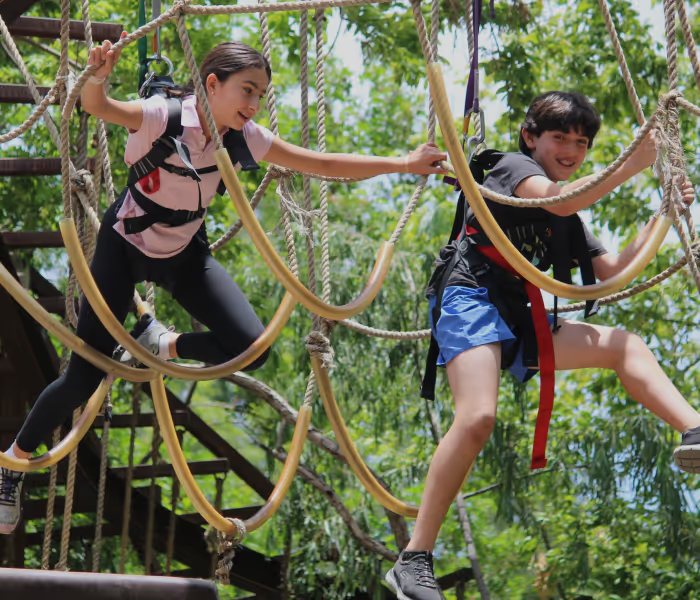
Climbing a rock wall or rappelling down helps campers practice self-control and decision-making.

Benefit: Builds confidence, resilience, and the ability to face challenges.

Skill and strategy games

Archery and obstacle courses allow children to practice precision and concentration.

Benefit: Helps develop motor skills and patience.

2. Artistic and cultural activities

Music and dance

Camps often offer workshops where children can learn to play instruments or express themselves through dance.

Benefit: Encourages creativity, a sense of rhythm, and self-confidence.

‍

__wf_reserved_inherit

Painting and crafts

Creating art with different materials helps children express themselves and develop fine motor skills.

Benefit: Encourages creativity and concentration.

Theater and expressive movement

Theater activities can help children communicate and express emotions.

Benefit: Develops social skills and confidence in public speaking.

3. Connecting with nature and outdoor adventure

Exploration and hiking

Children explore natural environments while learning about plants and animals.

Benefit: Raises environmental awareness and respect for nature.

Overnight camping and campfires

Sharing stories and experiences around a campfire creates lasting memories.

Benefit: Encourages social interaction and strengthens connections among campers.

4. Team-building and leadership activities

Team games

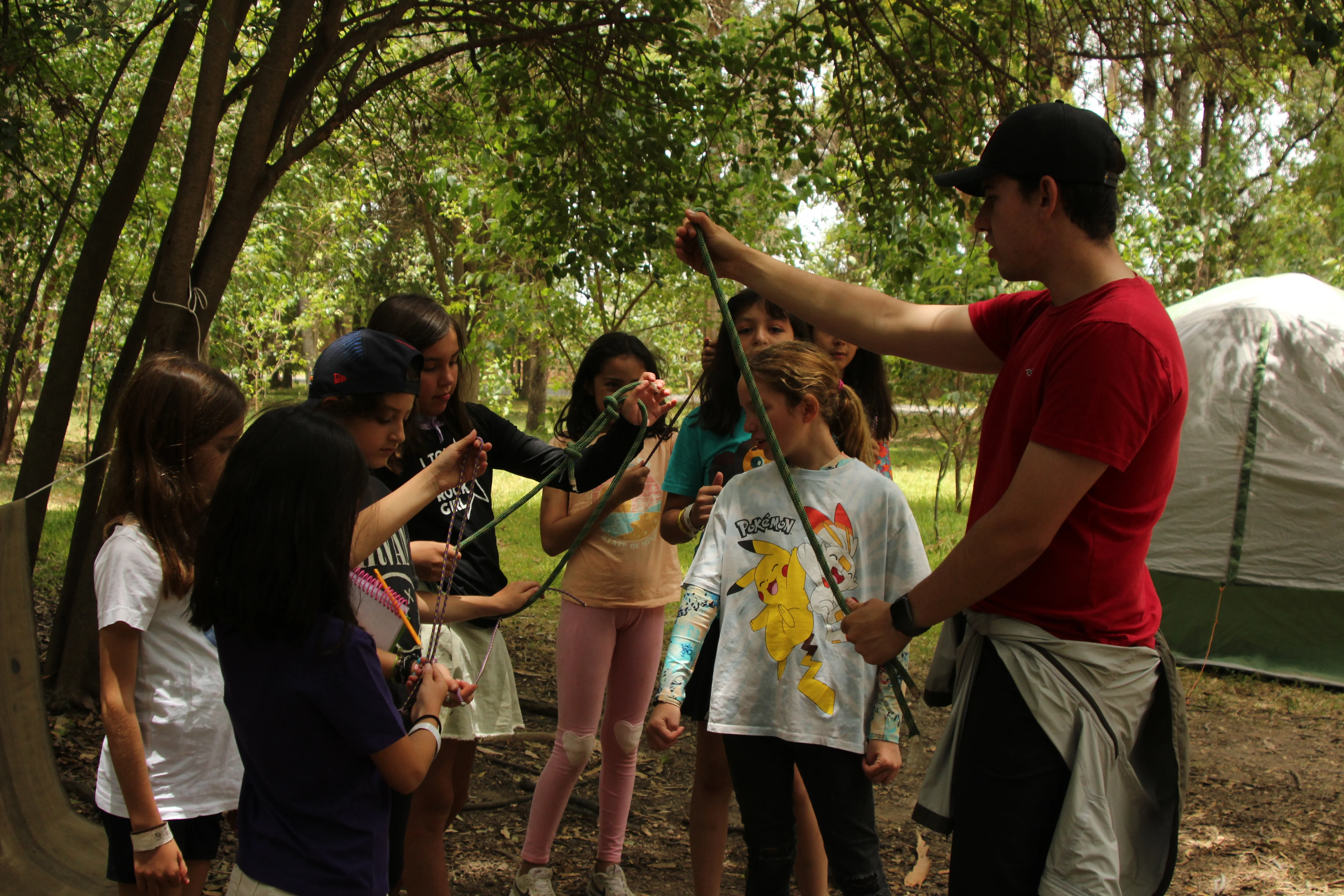
From group competitions to cooperative challenges, these games teach the importance of teamwork.

Benefit: Develops leadership, cooperation, and problem-solving.

Leadership roles and decision-making

At some camps, children can take on leadership roles in group activities.

Benefit: Promotes independence and responsible decision-making.

5. Experiential learning and environmental education

Some summer camps in San Luis Potosí offer opportunities to teach children about nature and sustainability.

Organic gardens and recycling

Children learn about environmental care through hands-on activities.

Benefit: Builds environmental responsibility and awareness of our impact on nature.

__wf_reserved_inherit

Astronomy and stargazing

Observing the night sky introduces children to the wonders of the universe.

Benefit: Stimulates scientific curiosity and imagination.

Why is it important for a camp to offer varied activities?

A good camp should not focus on just one area of learning. Combining sports, art, exploration, and team activities provides a broader experience.

Advantages of a varied activity program:

  1. Helps each child discover interests and abilities.
  2. Supports well-rounded development through physical, emotional, and social learning.
  3. Creates memorable experiences that can strengthen confidence and self-esteem.

Frequently asked questions about summer camp activities

Are summer camps in Mexico designed for all ages?

Programs are generally organized by age group so that activities suit each stage of development.

Which activities are best for younger children?

Team-building games, crafts, and nature activities are good options for younger campers.

How is safety managed during rappelling and water sports?

Adventure sports at Camp Santa Úrsula are supervised by trained professionals and use appropriate safety equipment.

Enjoy a memorable summer camp experience in Mexico

If you're looking for a summer camp in San Luis Potosí that combines fun, learning, and adventure, Camp Santa Úrsula is an option worth exploring.

Give your child the chance to enjoy these activities in a supervised, enriching setting.

👉 Check availability and book here: Camp Santa Úrsula

‍

Editorial lead

Cecilia Llamazares

Cecilia Llamazares leads marketing at Camp Santa Úrsula.

Upcoming experiences

 Adventures, learning, and friendship await you at Camp Santa Úrsula!

Camp Santa Ursula Summer Camp
July 10th to 16th

Summer Camp 1

Dive into a week full of fun, learning, and exciting adventures at our first summer camp. From thrilling outdoor activities to creative workshops.

The Camp is exclusively for children aged 7 to 15.
Sign up
Camp Santa Ursula Summer Camp
July 16th to 23rd

Summer Camp 2

The fun continues with our second summer camp! From July 16th to 23rd, your children will have the opportunity to explore our activities, challenge their limits, and dive into exciting adventures.

The Camp is exclusively for children aged 7 to 15.
Sign up!
Camp Santa Ursula Summer Camp
July 10 to 23

Extended Summer

Dive into two weeks full of fun, learning, and exciting adventures at our summer camp. From thrilling outdoor activities to creative workshops.

The Camp is exclusively for children aged 7 to 15.
Sign up!
Continue reading...
Explore a place where every day is a new adventure!
With nearly 50 years of experience, we have witnessed the transformation in the lives of thousands of boys and girls aged 7 to 15, creating memories that last forever.
sign up now
What our campers think

“From the reception area everything is excellently well maintained, my daughter has had one of the best experiences, since her first day she felt taken care of.”

Liliana S.

Mama Camper

“My son was super happy!! He came out telling me that it was better than Disney! And that he wants to come back next year.”

Gabriela E.

Mama Camper

“The arrival at the camp was very interactive and they made sure that the boys and girls would relax and feel at home. The office service is always attentive and very quick to respond.”

Begoña

Mama Camper

“The place is beautiful and every activity is safe. The food and desserts taste great. My son returned very happy to have gone and he had a great time.”

Álvaro S.

Papa Camper

“The camp met our expectations one hundred percent! My youngest son was happy all 15 days and doesn't hesitate to return next year. He learned to be more independent.”

Veronica M.

Mama Camper

Frequently Asked Questions about the camp

We answer all your questions!

What is the age range for children to sign up for camp?

In the Camps we only welcome boys and girls from 7 to 15 years of age.

Who takes care of the children?

The children are cared for by an instructor and an assistant, together with instructors specialized in various activities and camp managers who are on the lookout for all campers.

If my child goes with a friend can they be together?

Yes, as long as the children are the same age and both they and the parents agree. Although we can't commit to more than 3 campers on the same team.

Do the rooms or cabins have their own bathrooms?

The vast majority of rooms or cabins have their own bathroom.

Do you help young children bathe and dress?

No, we ask that you consider that children should be independent in activities such as bathing, dressing, combing their hair, going to the bathroom and taking care of their things. Instructors are waiting, but cannot take care of each child individually.

How is communication with children? Can we talk to them?

Calls are not allowed. The communication is through messages on the camp page, delivered daily at breakfast time or the first activity in the morning. Children respond to these messages in letters that are taken photos and sent to the parents' emails.

If my child is carrying medications, how do they manage them?

We have medical staff who administer medications. Parents should write down the information in the registry and hand in medications when leaving their children at the camp.

What do you do in case of an accident? Do they warn us?

The protocols are followed. In case of minor injuries, there is no warning so as not to worry parents. There's a paramedic in the camp. In more serious cases, parents are contacted before taking the child to the hospital.

Do you have any health insurance?

Yes, we have accident insurance that covers up to $150,000.00.

How safe is the camp? Do you have any systems in place?

The camp is safe, with measures such as electric fences, closed circuit television, among others.

What are the foods like? Can you briefly describe what they eat?

  • Breakfast: Fruits, juices, smoothies, milk, cereal, eggs, beans, chilaquiles, waffles, hot cakes, sweet bread.
  • Food: Salads, vegetables, soup, cream, chicken, fish, beef or pork, flavored waters and dessert.
  • Dinner: Salad, cereal, sweet bread, pizzas, club sandwiches, muffins, milk, flavored water, tacos.
  • Refreshments (mid-morning and mid-afternoon): Flavoured water, fruit, vegetables, whole wheat crackers, sandwiches, wraps, popsicles, jellies, and so on.